
GPT-5 launch: six times I said “wow”, but three times “hmmmm”
The OpenAI team, led by Sam Altman, has finally unveiled GPT-5, with around 600,000 people watching the launch livestream either live or during the fi
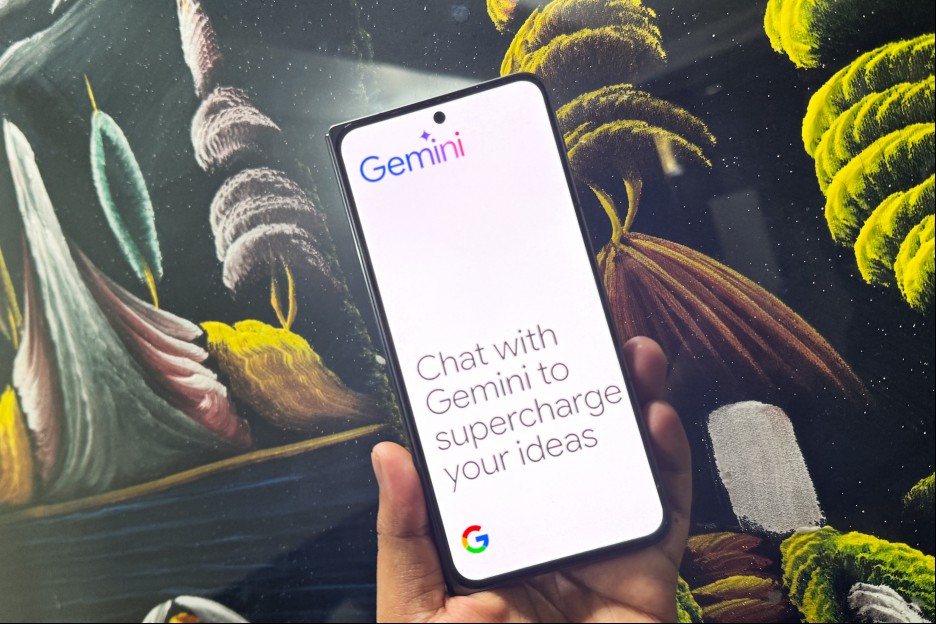
Google has announced a wide range of upgrades for its Gemini assistant today. To start, the new Gemini 2.0 Flash Thinking Experimental model now allows file upload as an input, alongside getting a speed boost.
The more notable update, however, is a new opt-in feature called Personalization. In a nutshell, when you put a query before Gemini, it takes a peek at your Google Search history and offers a tailored response.
Down the road, Personalization will expand beyond Search. Google says Gemini will also tap into other ecosystem apps such as Photos and YouTube to offer more personalized responses. It’s somewhat like Apple’s delayed AI features for Siri, which even prompted the company to pull its ads.
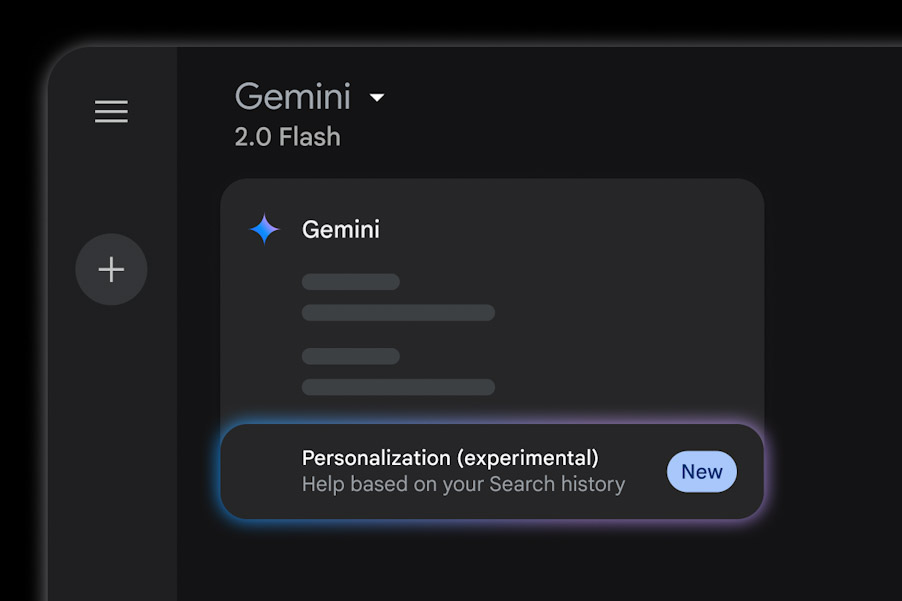
Starting with the Google Search integration, if you ask the AI assistant about a few nearby cafe recommendations, it will check whether you have previously searched for that information. If so, Gemini will try to include that information (and the names you came across) in its response.
“This will enable Gemini to provide more personalized insights, drawing from a broader understanding of your activities and preferences to deliver responses that truly resonate with you,” says Google in a blog post.
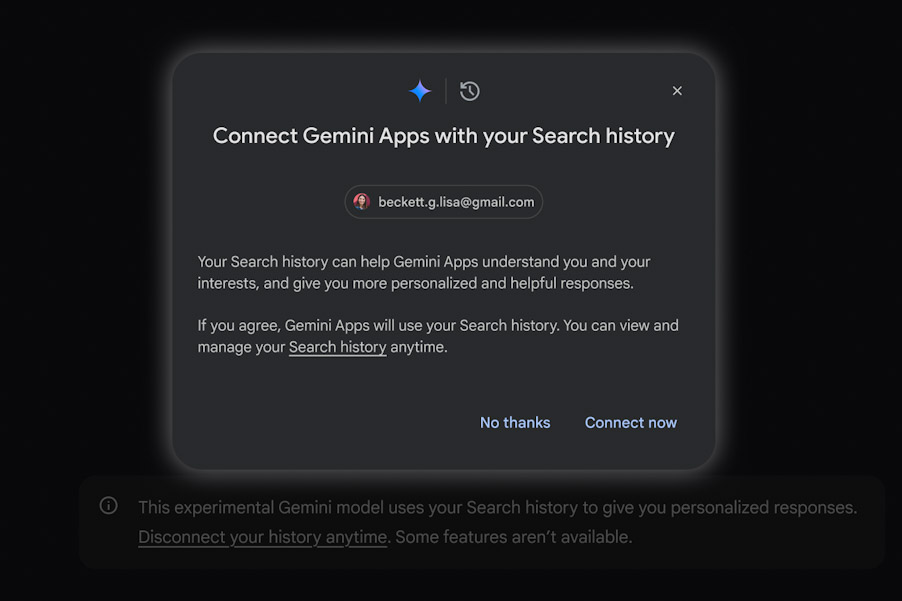
The new Personalization feature is tied to the Gemini 2.0 Flash Thinking Experimental model, and will be available to free as well as paid users on a Gemini Advanced subscription. Rollout begins today, startling with the web version and will soon reach the mobile client, too.
Google says the Personalization facility currently supports more than 40 languages and it will be expanded to users across the globe. The feature certainly sounds like a privacy scare, but it’s an opt-in facility with the following guardrails:
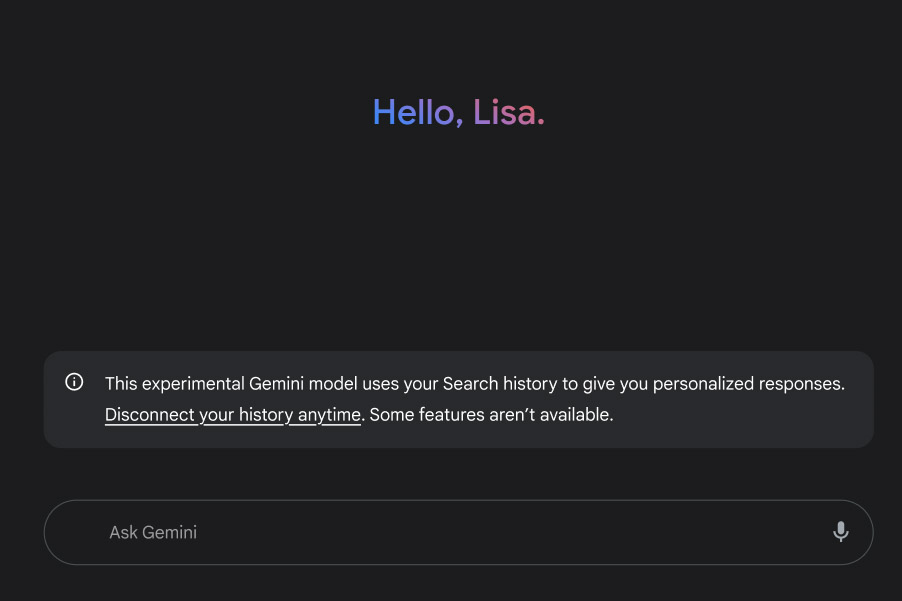
To make the responses even more relevant, users can tell Gemini to reference their past chats, as well. This feature has been exclusive to Advanced subscribers so far, but it will be extended to free users worldwide in the coming weeks.
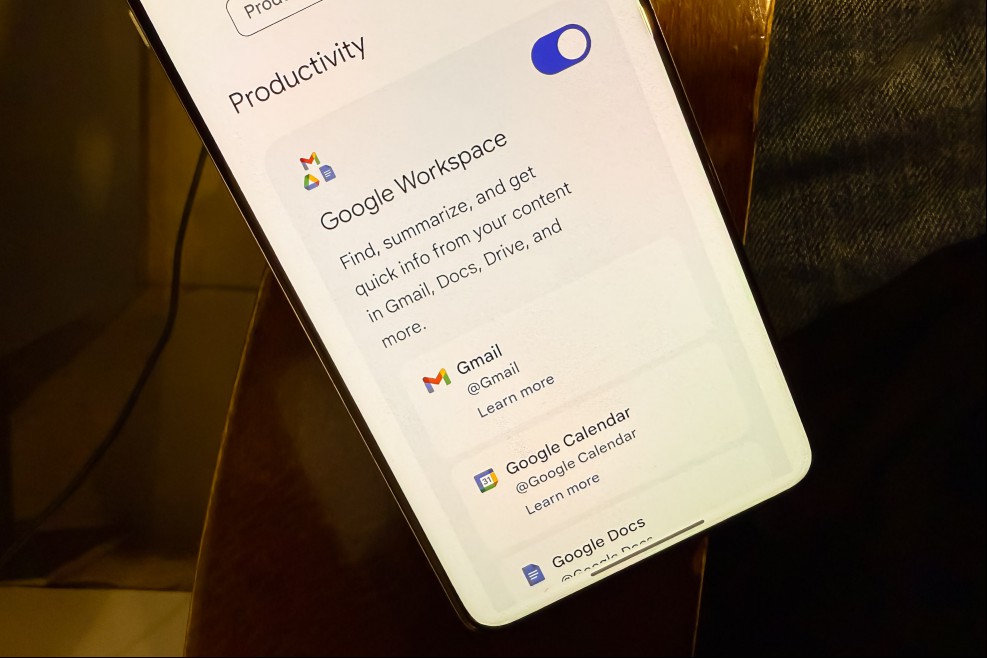
Gemini has the ability to interact with other applications — Google’s as well as third-party — using an “apps” system, previously known as extensions. It’s a neat convenience, as it allows users to get work done across different apps without even launching them.
Google is now bringing access to these apps within the Gemini 2.0 Flash Thinking Experimental model. Moroever, the pool of apps is being expanded to Google Photos and Notes, as well. Gemini already has access to YouTube, Maps, Google Flights, Google Hotels, Keep, Drive, Docs, Calendar, and Gmail.
Users can also enable the apps system for third-party services such as WhatsApp and Spotify, as well, by linking with their Google account. Aside from pulling information and getting tasks done across different apps, it also lets users execute multiple-step workflows.
For example, with a single voice command, users can ask Gemini to look up a recipe on YouTube, add the ingredients to their notes, and find a nearby grocery shop, as well. In a few weeks, Google Photos will also be added to the list of apps that Gemini can access.
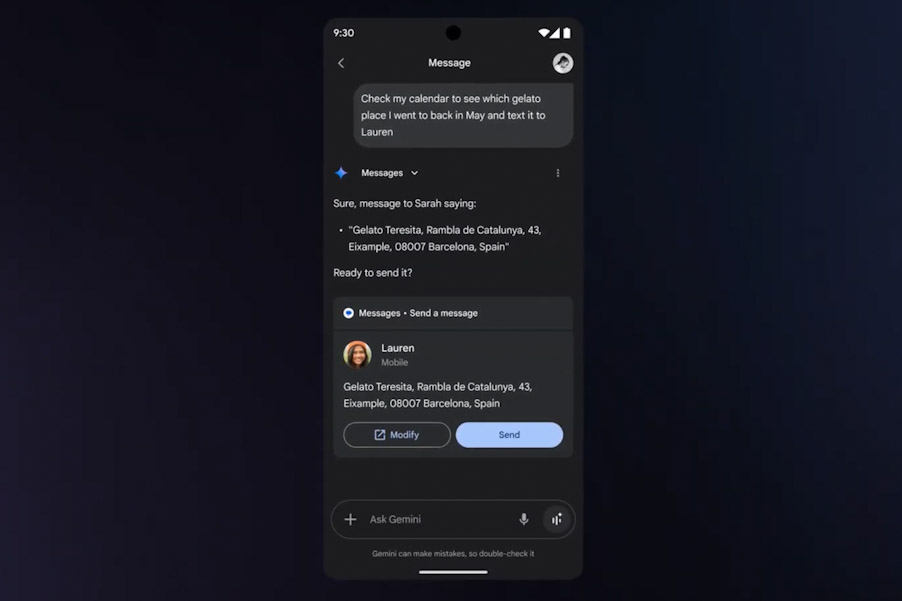
“With this thinking model, Gemini can better tackle complex requests like prompts that involve multiple apps, because the new model can better reason over the overall request, break it down into distinct steps, and assess its own progress as it goes,” explains Google.
Moreover, Google is also expanding the context window limit to 1 million tokens for the Gemini 2.0 Flash Thinking Experimental model. AI tools such as Gemini break down words into tokens, with an average English language word translating to roughly 1.3 tokens.
The larger the token context window, the bigger the size of input allowed. With the increased context window, Gemini 2.0 Flash Thinking Experimental can now process much bigger chunks of information and solve complex problems.
The OpenAI team, led by Sam Altman, has finally unveiled GPT-5, with around 600,000 people watching the launch livestream either live or during the fi

Opera Mini is a mobile browser with a decadeslong legacy that predates the launch of even mobile platforms, including Android or iOS. Its popularity h

At MWC 2025, Google confirmed that its experimental Project Astra assistant will roll out widely in March. It seems the feature has started reaching o
If you bought into the promise of a new AI-charged Copilot+ PC with the latest-gen Intel or AMD processor, and found a few tricks missing, the long wa
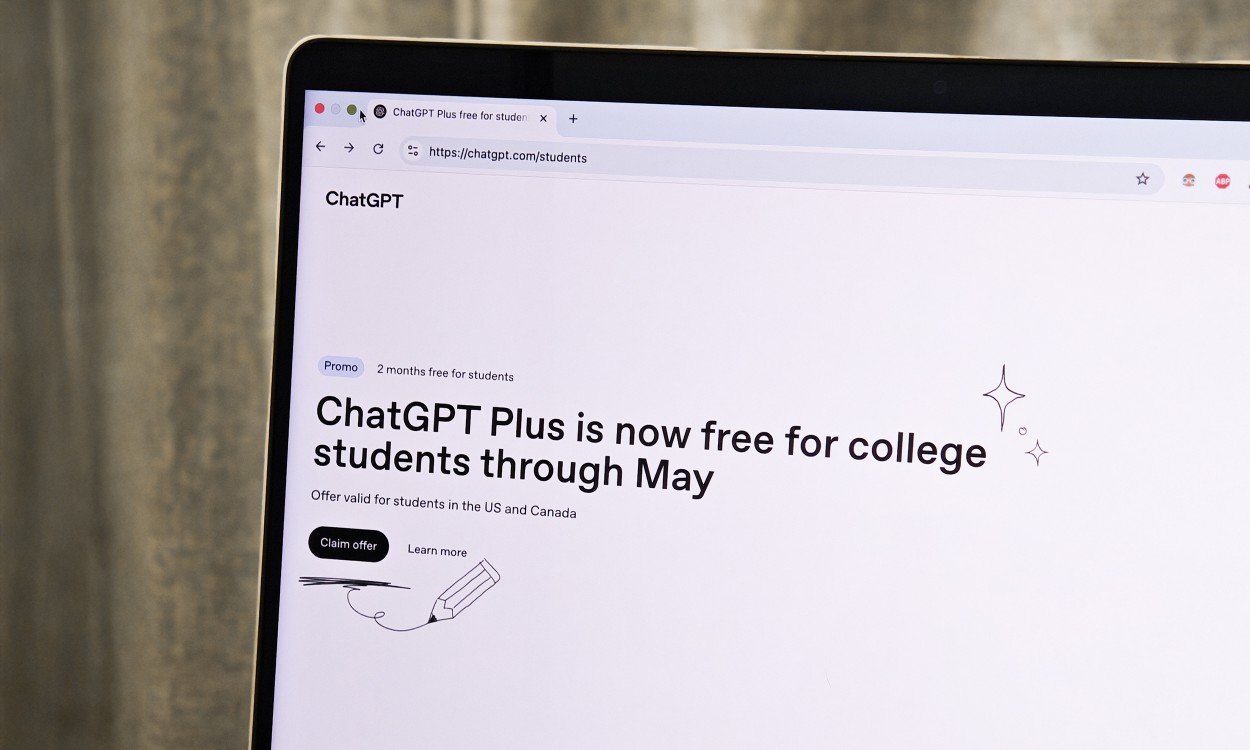
ChatGPT didn’t just emerge onto the AI scene, it birthed an entire revolution of AI assistants and agents and made them accessible to consumers who we
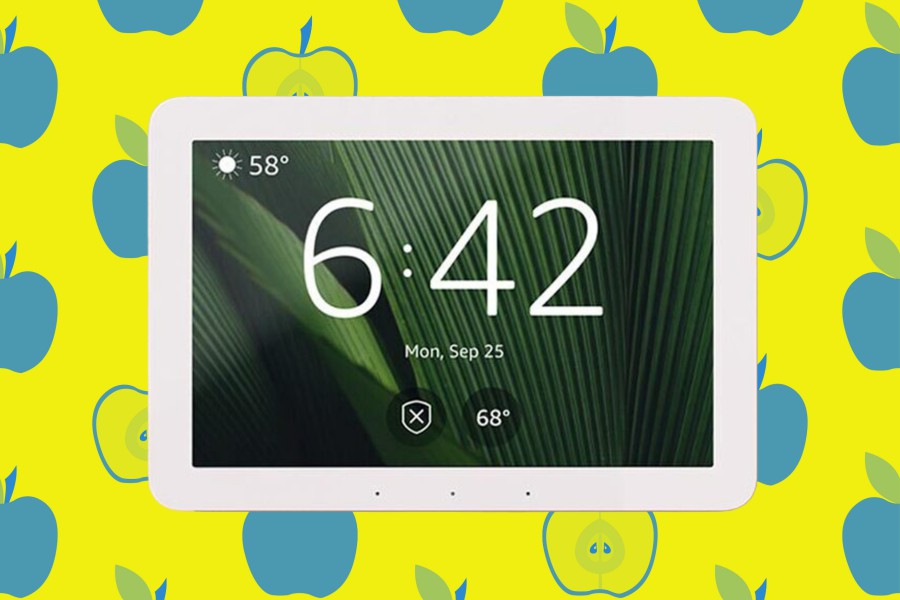
It was late in 2024 when we first heard rumors of a new HomeKit device that would essentially blend a HomePod and iPad, and serve it atop an AI softwa
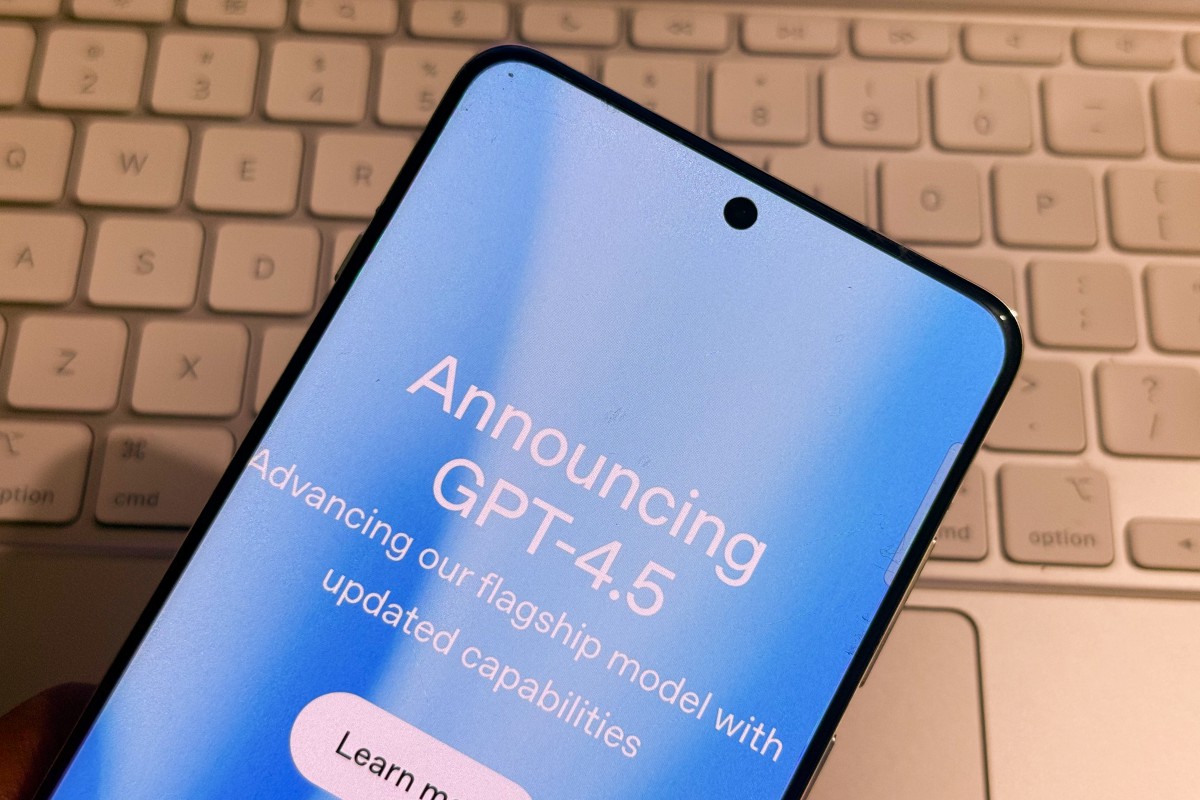
Sam Altman has shared a snippet from a new OpenAI model trained for creative writing. He says it’s the first time he’s been “struck” by something AI h

Meta wants a piece of the pie — a big piece — when it comes to generative AI. As part of its long-term strategy to embed itself in every part of our l
We are a comprehensive and trusted information platform dedicated to delivering high-quality content across a wide range of topics, including society, technology, business, health, culture, and entertainment.
From breaking news to in-depth reports, we adhere to the principles of accuracy and diverse perspectives, helping readers find clarity and reliability in today’s fast-paced information landscape.
Our goal is to be a dependable source of knowledge for every reader—making information not only accessible but truly trustworthy. Looking ahead, we will continue to enhance our content and services, connecting the world and delivering value.