
‘Godfather of AI’ warns: Without ‘maternal instincts,’ AI may wipe out humanity
What’s happened? Geoffrey Hinton, known as the “godfather of AI,” told the Ai4 conference that making AI “submissive” is a losing strategy and propose
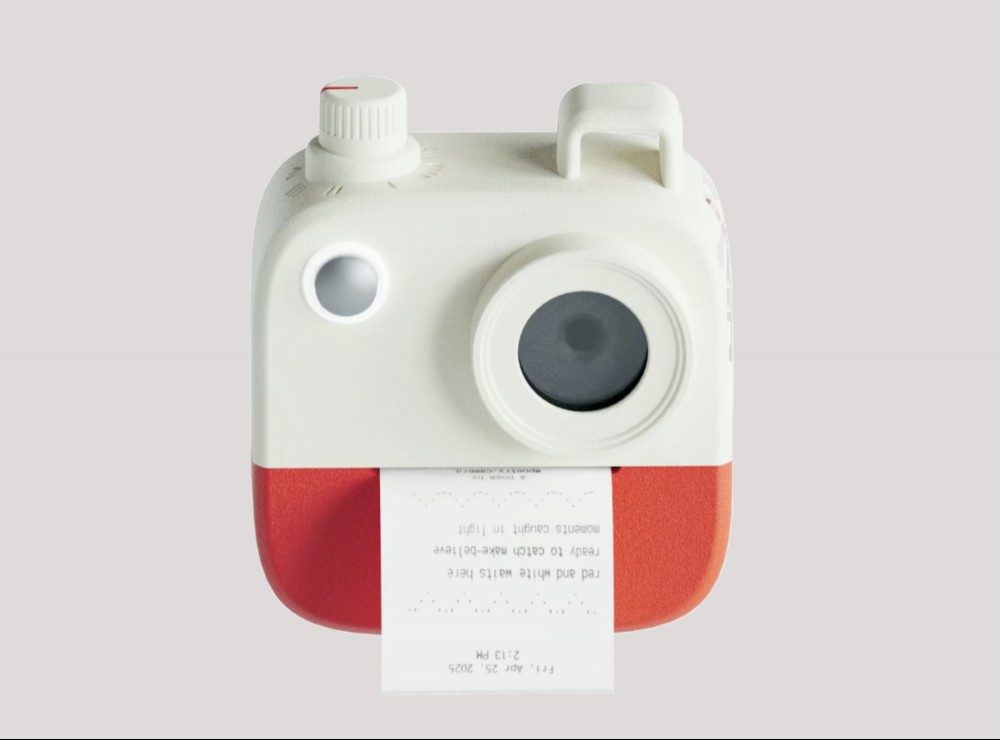
The Poetry Camera is an ingenious device that doesn’t take photos but instead makes poems.
The clever contraption features a lens that observes its surroundings before using AI to craft a poem inspired by the scene. It then prints the verse through a slot on the front — similar to how a Polaroid camera delivers photos. You can see it in action in the video above.
The Poetry Camera is the work of Kelin Zhang and Ryan Mather, who build the device by hand in a “microfactory” in New York, according to designboom.
The pair unveiled the camera two years ago, but since then it’s been updated a number of times, most recently with Anthropic’s Claude 4 generative AI model, which interprets the surroundings to create the poem. It’s also powered by a Raspberry Pi Zero 2 W with a Raspberry Pi Camera Module 3.
The Poetry Camera’s computer vision smarts are able to identify objects, people, and surroundings before composing its work of art, which can be a haiku, sonnet, limerick, or free verse — you can decide beforehand via a knob on the device.
There’s no onboard storage, so the camera doesn’t save the poems digitally. Nor does it save the images, a design choice that’s supposed to emphasize privacy and the ephemeral nature of each creation.
“It feels more magical that way, and reduces the pressure of trying to look good posing for photos,” it says on the Poetry Camera’s website. “The original photo is never saved or stored anywhere, for maximum data privacy. We don’t want to be in the business of storing your data.”
The Poetry Camera is open source, allowing tech-savvy folks to modify prompts, add features, or build their own versions.
This means there are two distinct products — the already built Poetry Camera, described as “a complete consumer electronics product that’s designed to be beautiful, intuitive, and robust,” and a DIY version based on the initial prototype of the idea. Using off-the-shelf components like Raspberry Pi and thermal printers that you can get on Amazon, the pair describe it as “a good weekend project to get started with learning hobby electronics.”
There is currently, however, one notable drawback with the Poetry Camera — it needs Wi-Fi to work as it requires a connection to compose the poems. However, Zhang and Mather are looking at ways of overcoming this impediment.
The latest version of the unique Poetry Camera is available for $699 in the U.S., with shipping targeted for September 2025. For the DIY version, head to this GitHub page.
What’s happened? Geoffrey Hinton, known as the “godfather of AI,” told the Ai4 conference that making AI “submissive” is a losing strategy and propose

Opera Mini is a mobile browser with a decadeslong legacy that predates the launch of even mobile platforms, including Android or iOS. Its popularity h
OpenAI has released its GPT‑3.5 Turbo API to developers as of Monday, bringing back to life the base model that powered the ChatGPT chatbot that took
OpenAI has established a free public resource called ‘OpenAI Academy,’ geared toward providing AI education to all knowledge levels.Among the free off
OpenAI’s ChatGPT tool has found widespread adoption, from assisting with academic work and domain-specific deep research to speeding up drug discovery
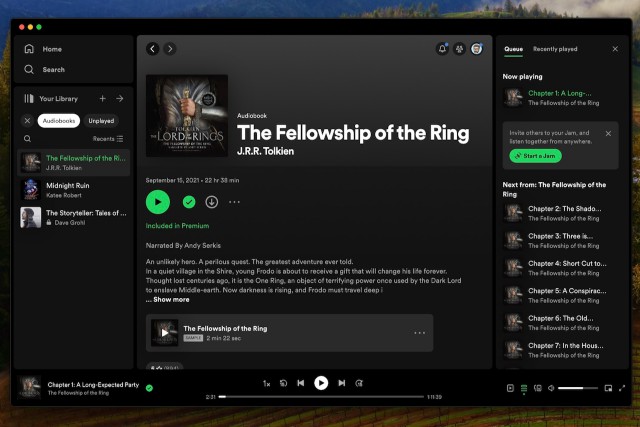
Derek Malcolm / Digital TrendsIn a move expected to dramatically increase the quantity of available audiobooks, Spotify announced on Thursday that wil
OpenAIEven as OpenAI continues clinging to its assertion that the only path to AGI lies through massive financial and energy expenditures, independent
The privacy and safety troubles continue to pile up for buzzy Chinese AI upstart DeepSeek. After having access blocked for lawmakers and federal emplo
We are a comprehensive and trusted information platform dedicated to delivering high-quality content across a wide range of topics, including society, technology, business, health, culture, and entertainment.
From breaking news to in-depth reports, we adhere to the principles of accuracy and diverse perspectives, helping readers find clarity and reliability in today’s fast-paced information landscape.
Our goal is to be a dependable source of knowledge for every reader—making information not only accessible but truly trustworthy. Looking ahead, we will continue to enhance our content and services, connecting the world and delivering value.